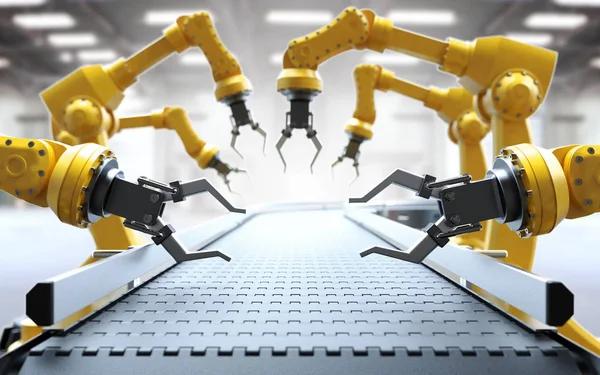
The integration of robotics into the manufacturing sector is transforming the industry in profound and unprecedented ways. Robotics technology, once limited to repetitive tasks in automotive assembly lines, has now expanded across various manufacturing domains, driving efficiency, precision, and innovation. This transformation is reshaping traditional production processes and redefining how goods are designed, produced, and somereassemblyrequired.com delivered. One of the most significant impacts of robotics in manufacturing is the enhancement of productivity. Robots can operate continuously without fatigue or breaks, enabling factories to run 24/7 with consistent output quality. strategicactioncenter.com highimpacttour.com This continuous operation reduces lead times and increases throughput, allowing manufacturers to meet growing market demands more effectively. Additionally, robots perform tasks with high accuracy and repeatability that surpass human capabilities. This precision minimizes errors and waste during production processes such as welding, painting, assembling components, or packaging finished products. Robotics also contributes significantly to improving workplace safety within manufacturing environments. Many industrial jobs involve hazardous conditions like exposure to toxic substances or handling heavy machinery savedelara.com that pose risks to human workers. By delegating dangerous tasks to robots equipped with advanced sensors and control systems capable of navigating complex settings safely alongside humans (collaborative robots or cobots), companies reduce sdtheatrescene.com workplace injuries while maintaining operational efficiency. Another crucial advantage lies in flexibility afforded by modern robotic systems combined with artificial intelligence (AI) technologies. Unlike traditional fixed automation setups requiring extensive retooling for new catsgoraw.com product lines or design changes; today’s intelligent robots can be quickly reprogrammed madampresidenttv.com for different functions or customized workflows on demand-supporting mass customization trends where consumers expect personalized products at competitive prices. Moreover, data collected through robotic bootycampdvd.com sensors enable manufacturers to implement predictive maintenance strategies rather than reactive repairs after equipment failure occurs-reducing downtime costs substantially while extending machinery lifespan. The rise of robotics also fosters innovation by freeing imaculturalreference.com human workers from monotonous manual labor so they can focus on higher-value activities such as process optimization or creative problem-solving related to product development cycles. However, this shift brings challenges including workforce displacement concerns which necessitate reskilling initiatives ensuring employees adapt alongside technological advancements rather than being left behind. In conclusion, robotics is revolutionizing manufacturing by boosting productivity levels through around-the-clock operations paired with superior precision; enhancing safety via task automation; offering hkadventurebaby.com unparalleled flexibility supporting customization trends; enabling predictive maintenance practices saving costs; and fostering a culture focused more on innovation than routine labor-all contributing towards smarter factories shaping the future economy globally.
